
20 Years of National Water Hygiene, Protecting Public Health Across the UK Water Sector

Clean drinking water is something people across the UK rely on every day but rarely think about. Behind that confidence is a workforce trained to prevent contamination and protect public health.
For 20 years, the National Water Hygiene scheme has helped make that possible.
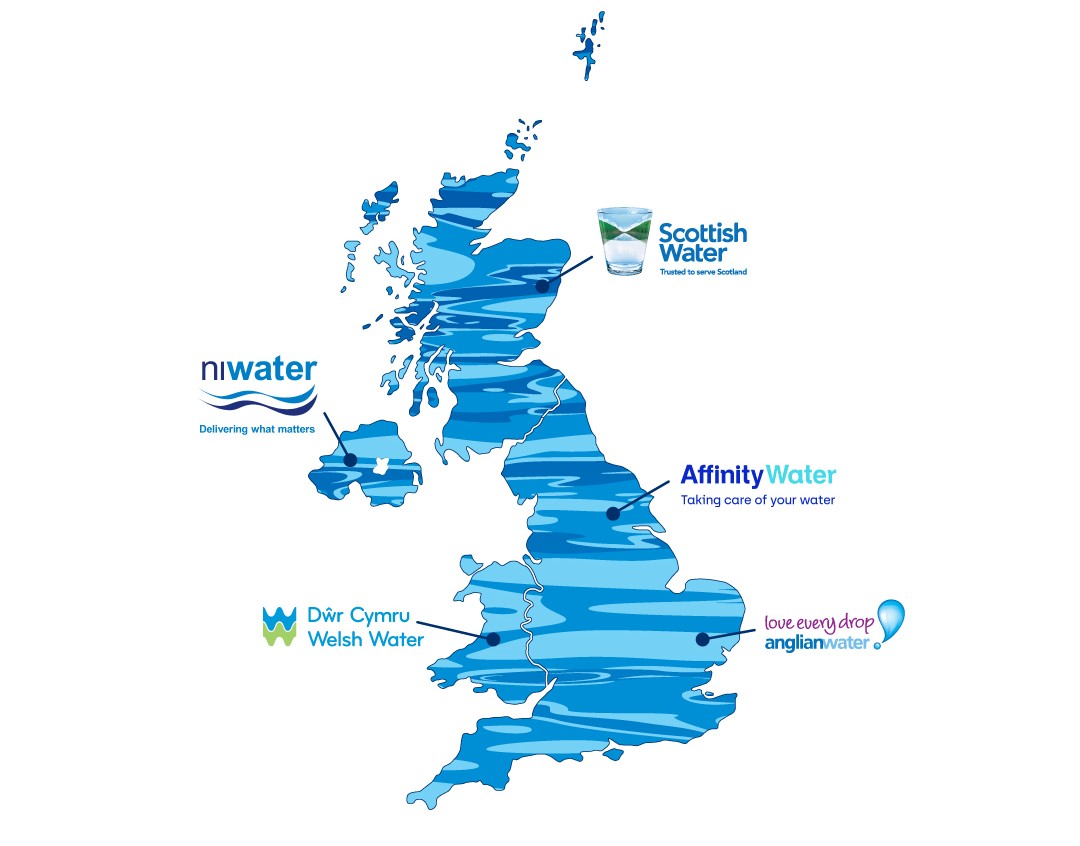
Developed by EUSR in collaboration with every UK water company, the scheme ensures individuals entering clean water sites or working on the clean water network understand contamination risks and how to prevent them.
As the sector evolves, the scheme remains a critical part of maintaining workforce competence and protecting public health.
A trusted standard for the water industry
Since launching in 2006, the National Water Hygiene scheme, commonly known as the ‘Blue Card’, has become an established and trusted standard across the UK water industry.
Every day, thousands of people work across the water sector to maintain networks, repair infrastructure and ensure safe drinking water reaches homes and businesses. Behind that work is a shared responsibility to prevent contamination risks and maintain the highest standards of hygiene.
Over the past two decades, the scheme has supported hundreds of thousands of workers, contractors and employers across the industry. Its consistent approach has helped create a workforce that understands the importance of water hygiene, not just as a process, but as a critical public-health responsibility.
Supporting confidence in the sector
The strength of the scheme comes from the people and organisations behind it. Delivered through an approved trainer network and supported by robust quality-assurance processes, the National Water Hygiene scheme provides a nationally consistent standard trusted by water companies across the UK.
This continued commitment to high standards helps ensure workers understand the risks associated with clean water and apply safe working practices every day.
Evolving to meet industry needs
The water industry has changed significantly over the last 20 years, and the National Water Hygiene scheme has continued to evolve alongside it.
What began as classroom-based learning has expanded into remote-learning opportunities, e-learning and e-assessment through XAMS. These developments have improved accessibility and flexibility for learners and employers, while maintaining the quality-assured standards the industry expects.
This continued investment reflects EUSR’s commitment to supporting the workforce and responding to the changing needs of the sector.
Alongside maintaining strong hygiene practices on clean water sites, the sector is also increasing its focus on the products and materials used within drinking water systems. More recently, EUSR expanded its support for the sector with the launch of the Products for Drinking Water scheme, commonly recognised through its ‘Purple Card’.
Developed in collaboration with water companies, the scheme focuses on Regulation 31 (England and Wales) and Regulation 33 (Northern Ireland and Scotland) requirements and supports individuals working with materials and products that come into contact with drinking water.
Together, the ‘Blue Card’ and ‘Purple Card’ schemes help strengthen workforce understanding of contamination prevention, water quality and regulatory compliance across the sector.
Looking ahead to the future
As the sector continues to face new challenges, including ageing infrastructure, climate pressures and increasing demand, maintaining workforce competence remains essential. Protecting drinking water quality depends on people understanding contamination risks and applying safe working practices every day.
Celebrating 20 years is not only an opportunity to reflect on the scheme’s impact, but also to recognise the trainers, employers and learners who have contributed to its success.
Throughout the anniversary year, EUSR will be sharing stories, milestones and insights highlighting the evolution of the scheme, its role in protecting public health and its continued importance to the UK water sector.
If you’re looking to get trained in the National Water Hygiene scheme, you can find a list of approved trainers here.
If you’re interested in becoming an approved trainer, visit our Getting approved section to learn more about the process and requirements.

The number of training programmes we’ve endorsed at Energy & Environment Awards has more than tripled...

Please see below, the September edition of the EUSR CSCS Newsletter. If you would like to...
For 20 years, the National Water Hygiene (NWH) Scheme has helped bring the UK’s water industry...
