
Protecting Every Drop: Twenty Years of a Shared Commitment to Water Quality
Most people never think twice about the water that flows from their tap. They simply expect it to be safe. That confidence has been earned over decades through investment, regulation and scientific expertise, but it also depends on something far less visible: the people responsible for protecting drinking water every day.
Every valve installed, every repair completed and every product introduced into the water network has the potential to affect water quality. The knowledge, awareness and actions of those working across the industry connect these individual activities to the safety of millions of customers.
The scrutiny placed on drinking water quality has never been greater, reinforcing the importance of maintaining high standards across the drinking water supply chain. While drinking water quality incidents remain relatively uncommon, the consequences for public confidence, regulatory compliance and public health can be significant. They serve as a reminder of the importance of ensuring everyone working on or around the drinking water network understands the risks associated with their role and follows consistent hygiene practices.
Protecting public health is not the responsibility of one organisation or one part of the supply chain. It relies on everyone working to the same high standards, understanding the risks associated with their role and recognising that even seemingly routine tasks can have significant consequences.
Twenty Years of National Water Hygiene
This year marks 20 years since the introduction of National Water Hygiene; a scheme developed in collaboration with the UK water industry to establish a consistent approach to hygiene awareness for anyone working on or near the clean water network.
Before its introduction, expectations could differ between organisations, creating unnecessary complexity for contractors and employers operating across multiple sites. National Water Hygiene introduced a shared standard, giving organisations confidence that individuals had received consistent hygiene awareness training and understood both the practical requirements and the reasons behind them.
The principle remains just as relevant today. Whether someone is entering a treatment works for the first time or carrying out essential maintenance on critical infrastructure, the expectation is the same: understand the risks, follow good hygiene practices and take personal responsibility for protecting drinking water.
The continued demand for the scheme reflects its importance. Over the past two decades, National Water Hygiene has supported hundreds of thousands of workers, contractors and employers across the water industry. Its consistent approach has helped create a common understanding of hygiene responsibilities and contamination risks, reinforcing the role each individual plays in safeguarding public health.
Rachel Thomas, Managing Director at Energy & Environment Awards, said:
“For 20 years, National Water Hygiene has delivered a consistent approach to hygiene awareness and a shared understanding of the role everyone plays in protecting drinking water quality across the UK. Its longevity reflects the water industry’s commitment to maintaining a common standard, while EUSR’s quality assurance gives employers confidence that training is delivered consistently and to a high standard.”
Maintaining consistency is just as important as expanding access. Every approved trainer is independently audited, with hundreds of trainer audits completed each year. That ongoing quality assurance helps ensure the same standard is delivered wherever training takes place.
Protecting Drinking Water Quality Through Continuous Learning
Protecting drinking water quality depends on continual learning and reinforcement. As infrastructure evolves, regulations change and new technologies emerge, the knowledge required across the water sector must continue to develop. National Water Hygiene provides a foundation of hygiene awareness, helping individuals understand contamination risks and their role in protecting drinking water quality.
National Water Hygiene is one example of how the water industry continues to work collaboratively to address common challenges. By developing shared approaches, the industry has helped improve understanding of the risks and responsibilities associated with protecting drinking water quality.
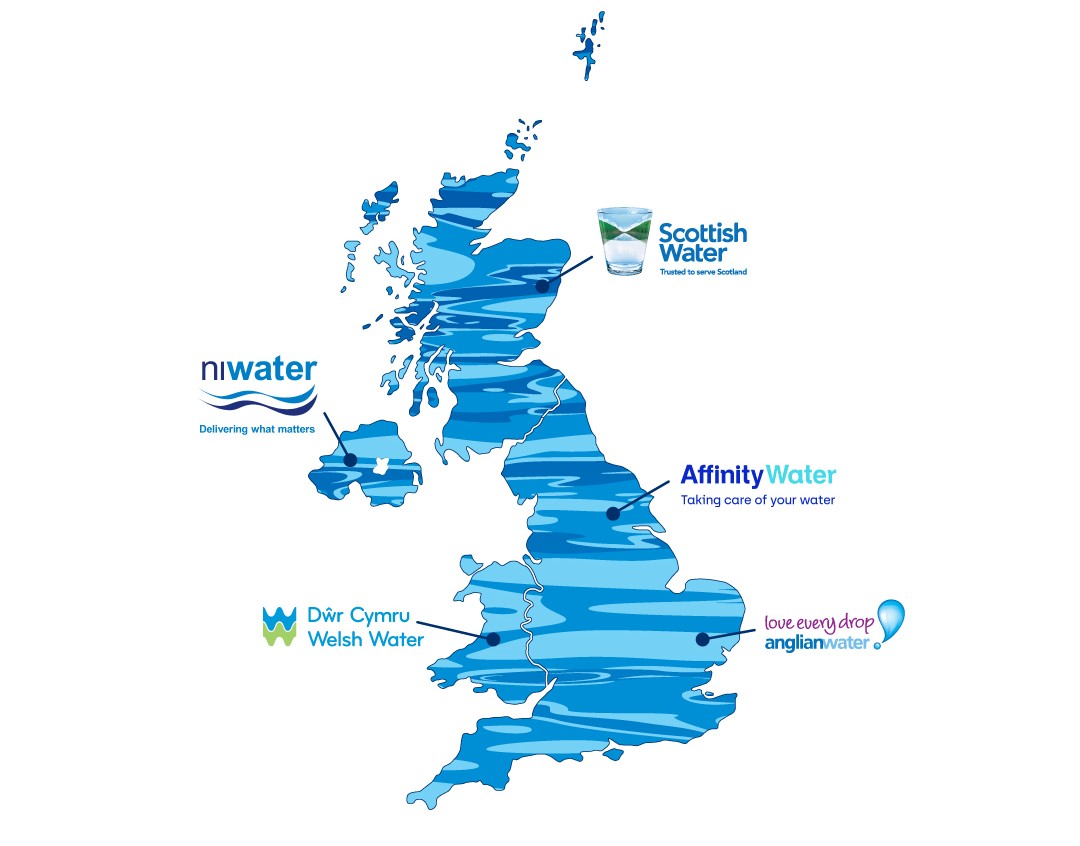
This collaborative approach can also be seen in the development of Products for Drinking Water). Developed in response to the requirements of Regulation 31 in England and Wales and Regulation 33 in Scotland and Northern Ireland, PfDW helps build awareness and knowledge around the approval and use of materials and products that come into contact with drinking water. Developed through collaboration with industry partners, the initiative supports understanding of risks and responsibilities in protecting drinking water quality.
While National Water Hygiene focuses on hygiene awareness, protecting drinking water quality depends on a wider commitment to developing and maintaining workforce capability. Apprenticeships, qualifications and continued professional development all play an important role in ensuring people have the knowledge, skills and behaviours needed to carry out their roles effectively.
As a leading awarding organisation for the utilities sector, Energy & Environment Awards supports the development and recognition of skills across the sector. Through qualifications and apprenticeship assessment, Energy & Environment Awards verifies s that individuals demonstrate the knowledge, skills and behaviours required within their occupation.
Each initiative has a different purpose, but together they contribute to a capable, confident and trusted workforce committed to protecting public health.
Perhaps National Water Hygiene’s greatest achievement has been helping to create a shared understanding of hygiene responsibilities across the sector. Water companies, contractors and supply chain organisations work to common expectations, reinforcing the importance of maintaining high hygiene standards wherever work takes place on the clean water network.
Looking Beyond the Next Twenty Years
The water sector will continue to change. New infrastructure, changing customer expectations, environmental pressures and advances in technology will all shape how services are delivered in the years ahead.
What should not change is the industry’s commitment to maintaining high standards. Safe drinking water depends on thousands of decisions being made correctly every day by people working across treatment works, networks, laboratories, construction sites and supply chains. The stronger the culture of awareness, responsibility and continual learning, the stronger the protection for customers.
Twenty years after National Water Hygiene established a common benchmark for hygiene awareness, its impact can be seen in the consistent expectations and working practices adopted across the UK water sector. While protecting drinking water quality depends on many factors, a shared understanding of contamination risks remains an important part of that protection.
The challenges facing the water industry will continue to evolve, but the need for awareness, vigilance and personal responsibility must remain a constant. Twenty years on, National Water Hygiene continues to provide an important foundation for protecting public health and maintaining confidence in drinking water quality.

Please see below, the September edition of the EUSR CSCS Newsletter. If you would like to...
For 20 years, the National Water Hygiene (NWH) Scheme has helped bring the UK’s water industry...
Please see below, the September edition of the EUSR Newsletter. If you would like to receive...
